
Direct container loading
Load at the factory where access, timing and container suitability allow it. This can reduce intermediate handling, but container arrival, packing and securing must fit the site plan.
ONERY INTERNATIONAL · MEASURE. PLAN. DELIVER.
From European factory collection to an Indian port: dismantling-informed container planning, safe economical packing and advance document coordination. Onery International GmbH helps Indian buyers understand the route, responsibilities and costs before the machinery sails.
01 / UNDERSTAND THE PROJECT
Shipping starts with the actual dismantled loading units, not just the machine name. We measure ourselves and connect the dismantling and loading plan to container requirements. Door openings, usable space, weight distribution, lifting access and safe securing all affect what can travel together.
Our estimate aims to be close to the real loading situation because we plan and carry out the dismantling and loading. Final container acceptance, carrier restrictions and transport availability still need confirmation.
02 / LOADING & CONTAINERS
There is no fixed winner. Compare the complete route, not only the first loading price. Avoiding two handling operations can make direct container loading economical; a truck can be better when access, consolidation or specialist packing requires it.
Load at the factory where access, timing and container suitability allow it. This can reduce intermediate handling, but container arrival, packing and securing must fit the site plan.
Use a truck when the machine or site benefits from a separate packing location, consolidation or suitable heavy-lift equipment. Include unloading and reloading costs in the comparison.
Suitable only where actual loading dimensions, door clearance, payload and securing permit it. Extra internal height does not solve every doorway or weight limitation.
May suit cargo needing top access for loading, subject to the carrier’s dimensions, securing requirements and availability. Confirm any overheight implications before booking.
For suitable oversized units after detailed checks of lifting, support, lashing and carrier acceptance. Out-of-gauge handling and charges must be understood before committing.
03 / THE TEAM
Our Germany-, Poland- and Netherlands-based teams coordinate dismantling and loading with the shipping plan. We work with customs clearing agents (CHAs) in different parts of India so the destination requirements are discussed before dispatch. For each project, we confirm who handles export formalities, freight booking, customs representation and inland delivery.
STEP BY STEP
Confirm factory, Indian port, importer, delivery scope and proposed schedule.
Use actual dimensions and weights after the dismantling plan, including auxiliaries and packaging.
Compare truck and direct container loading by total handling, site access and route cost.
Coordinate export classification and destination preparation with the responsible parties before booking.
Use equipment-appropriate protection and record the loading with photographs and video.
Check carrier acceptance, current route advice, inclusions and destination cost exposure.
Work with the CHA on arrival preparation, inspection requirements and the agreed inland delivery.
A freight figure is not necessarily the complete bill. Before dispatch, discuss ocean freight, oversized-cargo surcharges, terminal and handling charges, lashing, inland transport, customs representation and insurance responsibilities. Confirm what is included and excluded, the currency and quote validity.
Destination charges and storage, demurrage or detention exposure should be explained early. We do not promise a fixed rate or a universally cheapest container choice; the carrier, route, port and timing matter.
Choose supports, corrosion protection, moisture protection and securing for the equipment and route. Sensitive electronics and precision surfaces need care; unnecessary dismantling or oversized packaging can add avoidable handling and freight cost.
Where regulated solid-wood packaging or dunnage is used, check applicable ISPM 15 treatment and marking requirements. The standard has exemptions for processed wood and certain low-risk materials; confirm the actual packaging with the packing provider and destination agent.
Prepare the document file before dispatch, not after the vessel reaches India. The commercial invoice should identify the actual parties, machinery, agreed value, currency and sale terms. The packing list should connect every numbered package to its contents, dimensions and weight, including accessories and dismantled assemblies. The bill of lading must reflect the agreed shipper, consignee, cargo and routing details; review the carrier draft and the release arrangements early.
Used machinery needs particular attention to identification and valuation evidence: manufacturer, model, serial number, year, condition, photographs and available technical records. Under Indian second-hand machinery valuation guidance, Chartered Engineer inspection/appraisement reports are relevant. Agree with the importer and CHA whether an overseas report at the place of sale or an accepted local inspection route is appropriate; incomplete evidence can lead to further examination or valuation questions. Do not assume a commercial invoice alone answers every used-machinery query.
A certificate of origin may be required for the shipment or a supported preferential-duty claim. Buying a machine in Europe does not by itself prove European origin or entitlement to a trade preference. Your CHA must confirm the correct origin evidence, classification and applicable rules. Export licences, end-use declarations and other approvals depend on the actual equipment and transaction.
Keep commercial invoice, packing list, transport document and inspection records consistent. Resolve differences in model numbers, package counts or declared values before shipping. Onery supplies and coordinates the agreed machine and loading information; the exporter, importer, carrier and customs broker remain responsible for their declarations and decisions.
Indian customs can examine machinery identity, condition, value and documentation closely. Early preparation gives the buyer and CHA time to resolve questions while the seller, inspection specialist and loading team can still access the machine in Europe. Confirm importer identification/IEC, customs classification, inspection needs and document responsibilities before purchase and booking wherever possible.
The shipping manifest is the carrier’s responsibility, not the buyer’s Bill of Entry. Indian sea-cargo procedures use the Sea Arrival Manifest (SAM), often discussed by buyers using the older term IGM. Official ICEGATE guidance requires the general and cargo declaration before the vessel leaves its last port of call for containerized cargo; it describes different timing for non-containerized cargo and separate arrival formalities. Your carrier or shipping agent must confirm the applicable filing and data cut-offs for the actual shipment.
We support advance coordination of machine descriptions, package details, invoice information and the carrier document draft with the Indian buyer and CHA. Two days before arrival must not be treated as a universal legal deadline or a safe starting point: for containerized machinery, the applicable carrier deadline can be earlier. Aim to settle the document file before dispatch and meet the specific carrier and customs-broker timetable.
The importer’s Bill of Entry is a separate import declaration, normally handled with the customs broker. Manifest filing does not replace it or guarantee release. Reconfirm current procedure with the responsible professionals for Nhava Sheva/JNPA, Chennai, Mundra or the chosen destination.
Before dismantling, retain legible machine nameplate photographs and available model, serial-number and manufacturing-year records. When a machine is split into assemblies, label the packages so the packing list explains what belongs together. Include major accessories and controls in the agreed inventory rather than leaving them as unexplained additional packages.
Loading photographs and videos show how the equipment was prepared and secured; they do not replace a customs inspection or engineering report. Keep agreed condition records and package references available to the importer and CHA. The authority decides whether further examination, valuation evidence or clarification is needed.
Plan for the practical cost of inspection, terminal handling, storage or delayed release where applicable. We help coordinate information and questions with the buyer’s CHA across India, but neither a preferred port nor a complete-looking file guarantees clearance within a promised number of days.
A CNC label alone does not decide whether an export licence is required. Check the actual machine specifications against the current EU dual-use list under Regulation (EU) 2021/821, along with destination, end-user and end-use. Non-listed goods can also be subject to controls in specified circumstances.
Confirm the relevant national export authority and any applicable sanctions or restrictions. India’s import policy and customs treatment must be checked for the actual equipment. Screening is project-specific and does not guarantee approval or release.
War, geopolitical developments, carrier restrictions and disruption can change routes, transit estimates and surcharges. Recheck the proposed route, insurance conditions and current carrier advice before dispatch; communicate changes and their cost or timing impact to the client.
Customs may request inspection or further evidence. Clear package identification, accurate descriptions and loading records help preparation, but the authorities decide inspection and release. Never base the plan on a promise of guaranteed clearance or arrival.
Nhava Sheva/JNPA, Chennai and Mundra are important destinations for our clients’ planning. Choose with your CHA, carrier and inland route—not by ocean freight alone.
Confirm the receiving terminal, CHA coordination and inland delivery plan for the buyer. Include destination handling and the time needed for customs preparation in the discussion.
Review the buyer’s factory location, suitable services and oversized-cargo arrangements with the carrier and agent. An apparently lower freight rate can change after inland costs.
Check the destination terminal, equipment acceptance and onward route. Discuss local handling, inspection preparation and cost exclusions before dispatch.
We take loading photographs and videos for every CNC shipment. We record the loading units and protection so the buyer has a useful reference for arrival and handling. Real public project reports are kept separate from illustrative planning examples and omit confidential customer details.
If your machinery comes from an auction, check collection deadlines, seller release, available loading space and document access before the winning bid. Our independent Auction Support service connects that preparation with the agreed dismantling and logistics scope.
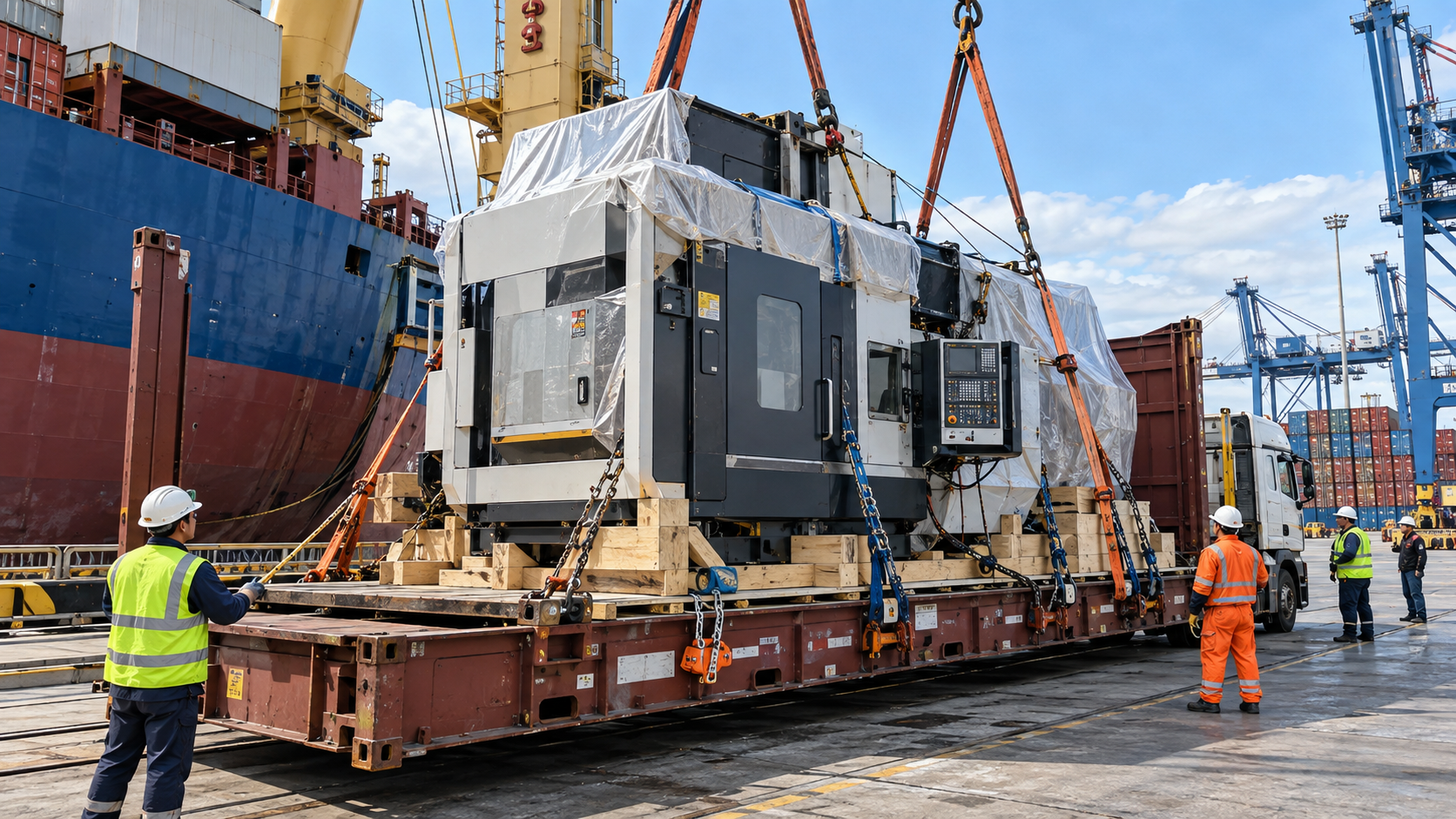
Safe and coordinated international transportation of industrial machinery by road, sea, and multimodal freight.
Learn More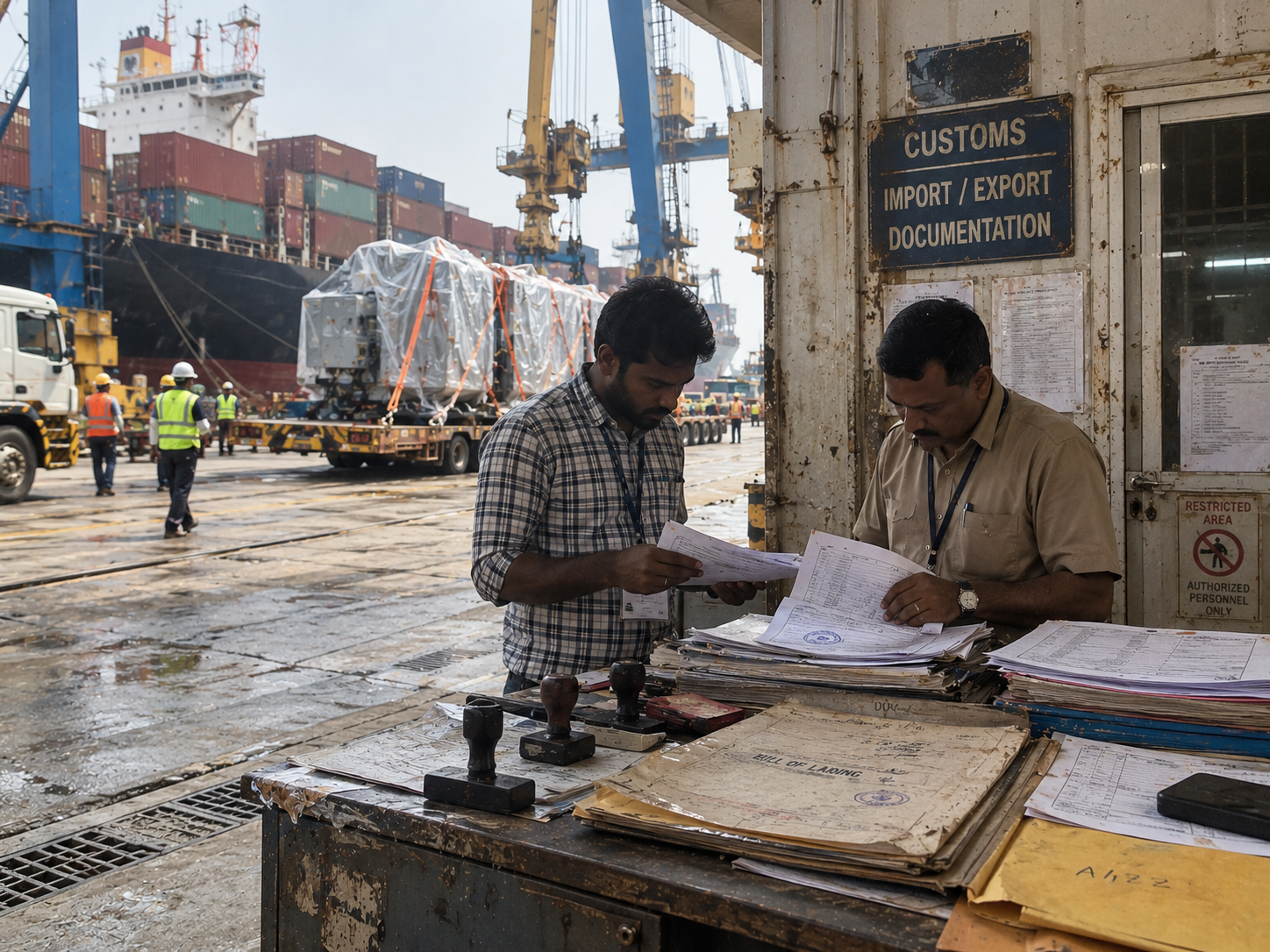
Professional support for customs procedures and documentation required for the international movement of industrial machinery.
Learn More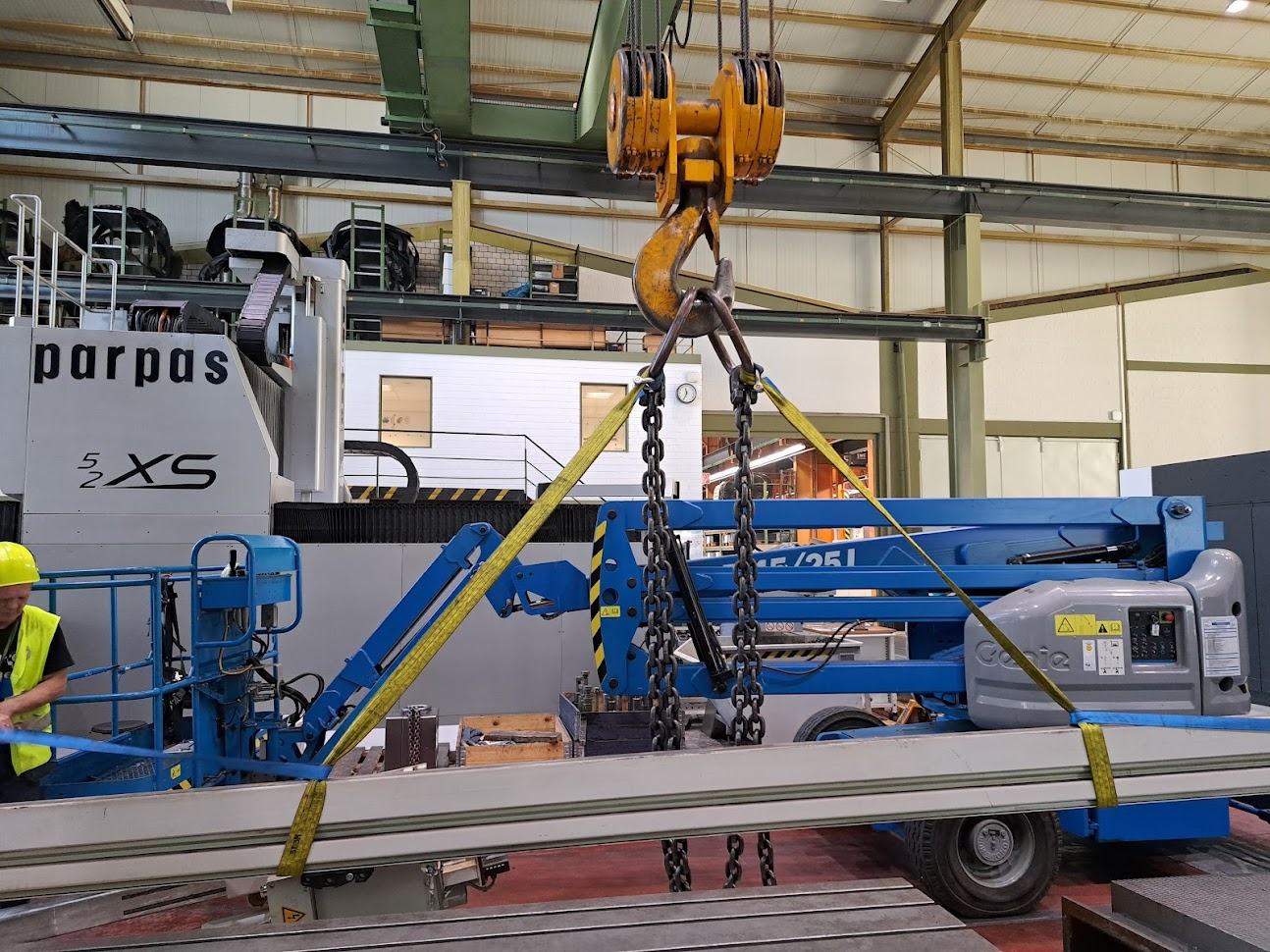
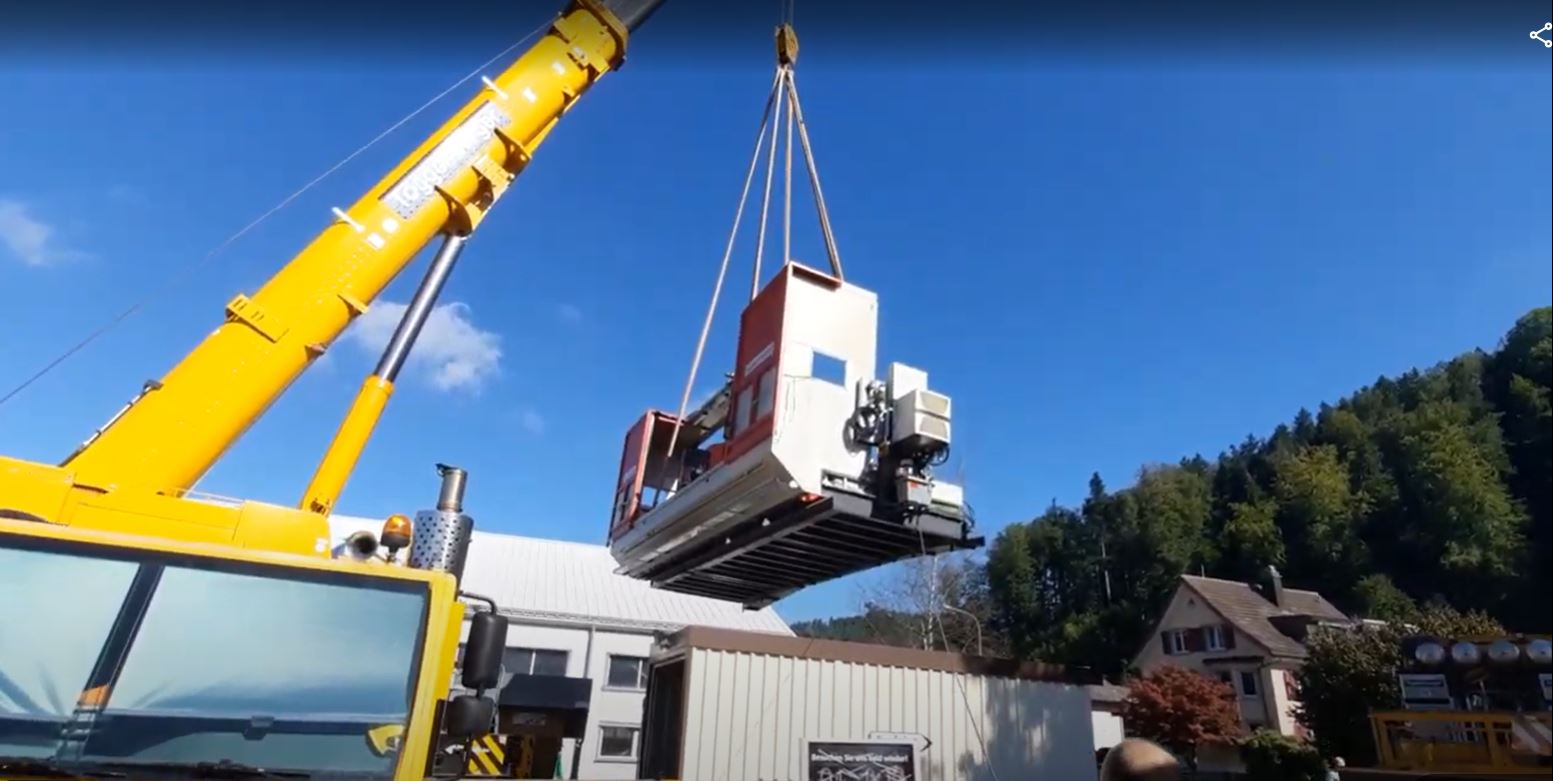
Professional crane lifting and rigging support for the safe handling and positioning of heavy industrial machinery.
Learn More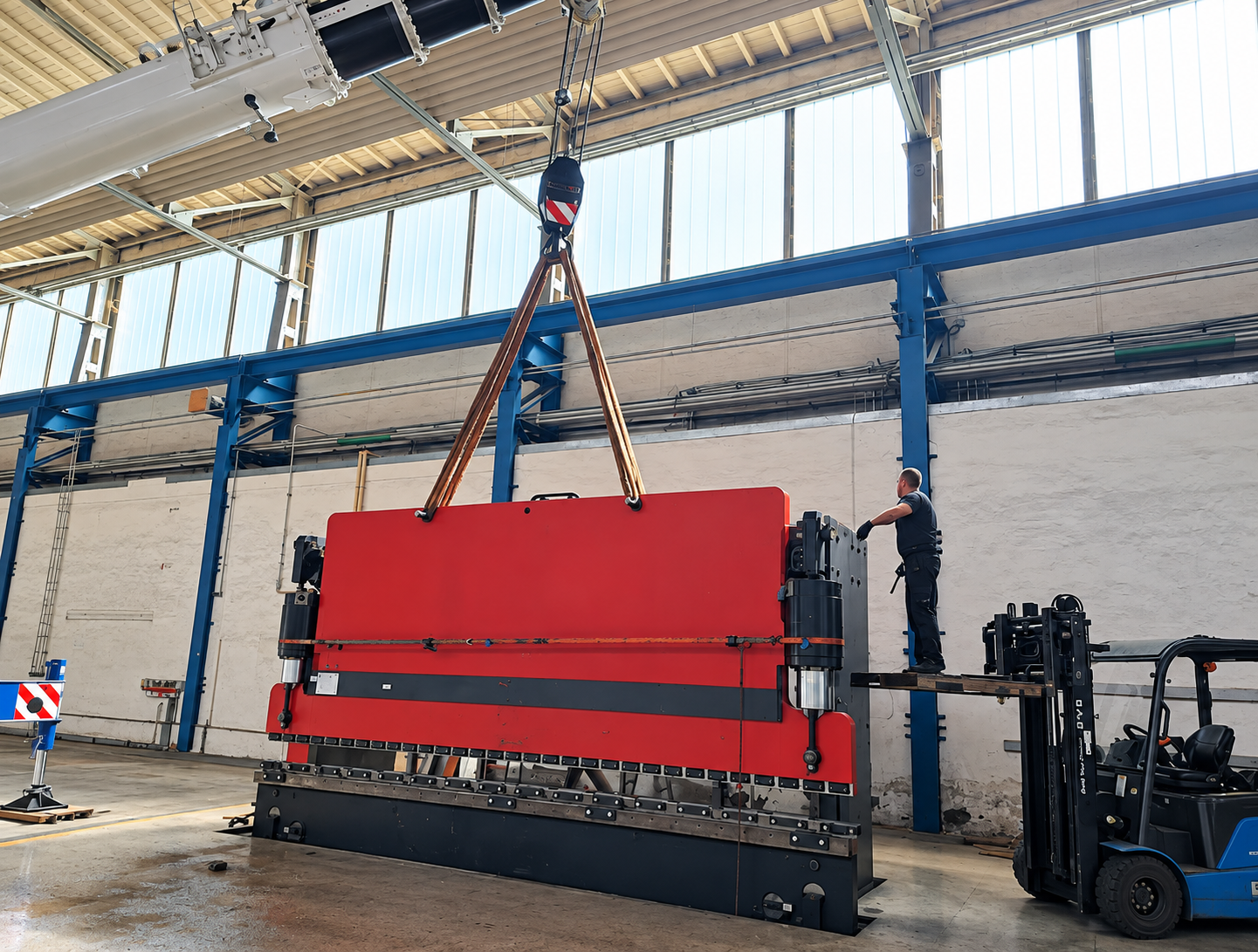
Specialized handling of oversized, heavy, and sensitive industrial machinery during loading, lifting, securing, and transportation.
Learn MoreConfirm machine identity, age and condition, included accessories, sale terms, collection deadline and actual dismantled dimensions and weights. Ask your CHA about import eligibility, classification, valuation evidence and applicable duties before committing. Add removal, packing, freight and destination costs to the purchase budget.
Start with a consistent commercial invoice, packing list and bill of lading or applicable transport document. Add machine identification/technical records and the used-machinery inspection or valuation evidence agreed with the CHA. Origin evidence, permits and end-use declarations depend on the shipment. The importer and broker must confirm the complete checklist.
Indian second-hand machinery valuation guidance addresses Chartered Engineer inspection/appraisement reports. Your CHA should confirm the accepted report, scope and whether an overseas inspection at the sale location or an accepted local inspection route applies. Arrange this early; the report is not a blanket requirement for every new-machine shipment and does not guarantee acceptance of the declared value.
Origin evidence may be required for the shipment or a preferential-duty claim. An invoice from a European seller does not establish the machine’s origin or preference eligibility. Ask the CHA to check actual manufacturing origin, applicable agreement and accepted proof. A certificate alone does not automatically reduce duty.
The authorized sea carrier or agent handles the arrival manifest. Under ICEGATE sea-cargo guidance, containerized-cargo declarations are due before the vessel leaves its last port of call; different timing applies to non-containerized cargo. Supply correct data by the carrier’s confirmed cut-off. Do not rely on a universal “two days before arrival” rule—it may be too late.
The carrier manifest reports vessel and cargo information. The Bill of Entry is the importer’s customs declaration, prepared with the broker for classification, valuation and import clearance. They serve different purposes and must contain consistent shipment details. The CHA confirms current advance-filing requirements and procedure.
Retain manufacturer, model, serial number, manufacturing year, condition records, purchase documentation and available technical information. Nameplate photographs and package identification help connect dismantled assemblies to the invoice and packing list. Customs may request additional evidence; loading photos are not a substitute for an accepted valuation report.
Choose the port with the carrier and CHA based on sailing options, cargo handling, final inland destination and the whole cost picture. Confirm local broker arrangements, documentation, examination handling and delivery access before booking. Onery coordinates agreed machine and loading information; no port choice guarantees faster release.
Request written freight inclusions/exclusions, terminal and destination handling, OOG/flat-rack charges, lashing, inspection costs, free-time terms and inland delivery. Demurrage and detention can relate to different storage or equipment-use periods; the carrier terms determine the applicable charges. Check potential delay costs and quote validity, not only the headline ocean freight.
We support coordination with the buyer’s CHA across India and provide agreed machine, packing and loading information. The importer and licensed customs professionals manage declarations and regulatory advice; customs decides examination, valuation, duties and release. We cannot guarantee clearance, duty amounts or a fixed release date.
Explore the ten metalworking and plastics machine families, our team selection and the factory survey that shapes the shipping plan.
Send machine photos, model, European collection address, measured or estimated weight and dimensions, Indian port and delivery timing. Tell us whether you need dismantling, packing, loading or an integrated plan.
Discuss your project