01
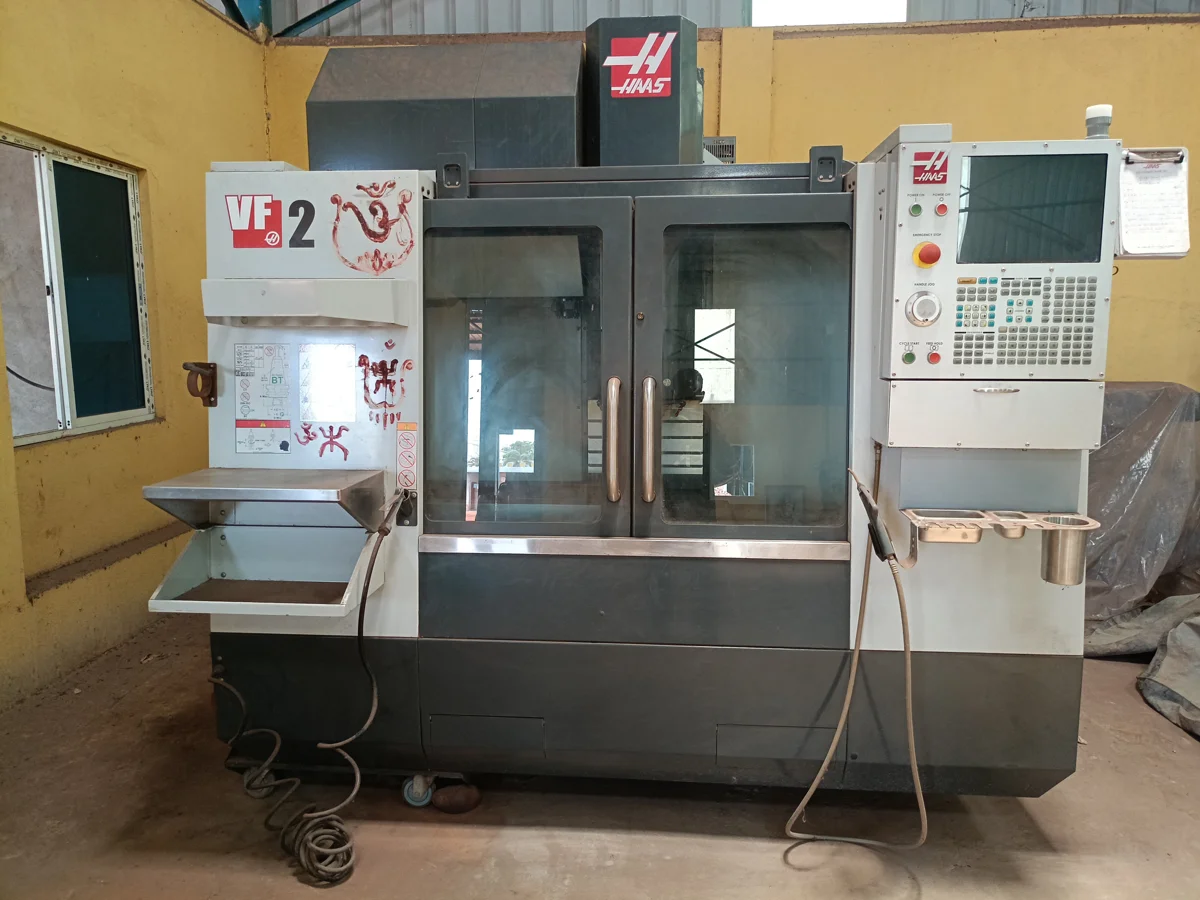
VMC · Vertical machining centres
Protect the spindle, secure moving axes and identify the chip conveyor, coolant equipment and cabinet connections before separation.
ONERY INTERNATIONAL · EUROPE → INDIA
From one metal- or plastics-processing machine to complete factory removal: Onery International GmbH plans safe dismantling, rigging and loading across Europe, with particular expertise supporting Indian buyers. Every site, machine and collection deadline gets its own plan.
01 / UNDERSTAND THE PROJECT
A successful removal begins before a spanner is lifted. Whether you have bought one CNC machine in Germany, several auction lots in Italy or equipment from an entire European factory, we assess what must leave the site, how it can move safely and what the buyer needs at the destination. Metal- and plastics-processing machinery is our scope; the illustrated families below are examples, not a closed catalogue of services.
For a single machine, the focus may be on access, safe isolation and one coordinated loading appointment. A multi-machine project needs sequencing, package identification and a loading plan that keeps each machine with its accessories. Full factory removal adds production-line interfaces, agreed work zones, phased access and handover boundaries. We agree exactly which machinery and auxiliaries are included; building demolition, utility alterations or destination commissioning are not assumed to be part of the assignment.
A photograph rarely reveals floor loading limits, door clearances, buried connections or the route to the truck. Our own survey brings the machine, working environment and transport plan together. We measure the actual loading units rather than relying only on a brochure, and agree responsibilities with the seller, site operator and buyer before work starts.
02 / MACHINE COVERAGE
These eleven families illustrate the breadth of our work across metal and plastics processing. Your machine does not have to appear in this selection: send the model, photographs and site details for an individual assessment. We support projects from one machine to multi-line and complete factory removal.
Protect the spindle, secure moving axes and identify the chip conveyor, coolant equipment and cabinet connections before separation.
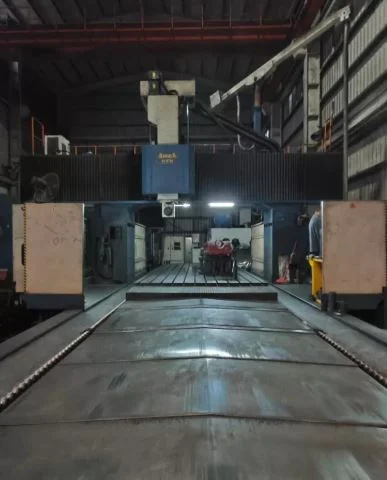
Long beds and tall assemblies make access, centre of gravity and transport dimensions decisive. Assess which assemblies must be separated and how alignment references are preserved.
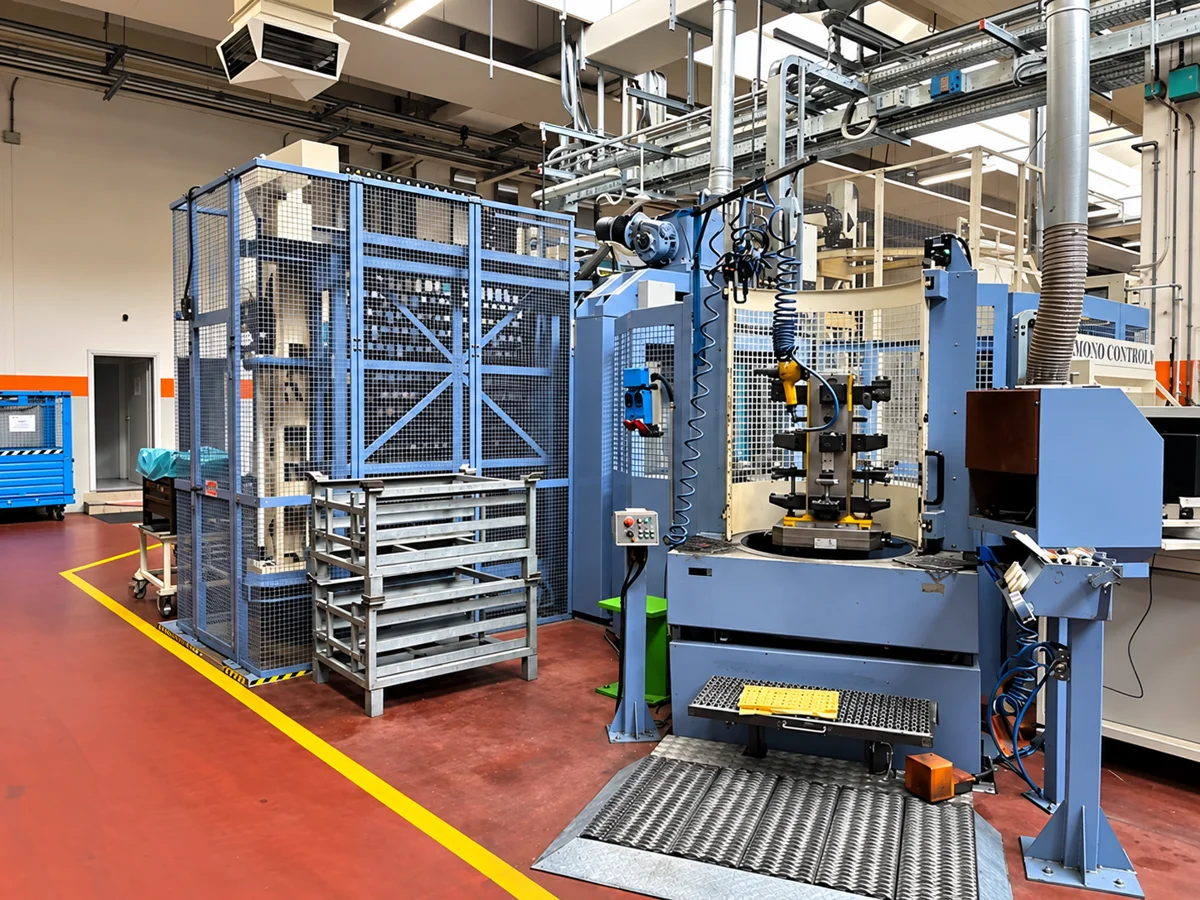
Pallet systems and tool magazines add to the footprint. Record interfaces and assess machine, pallet pool and auxiliaries as separate loading units where appropriate.
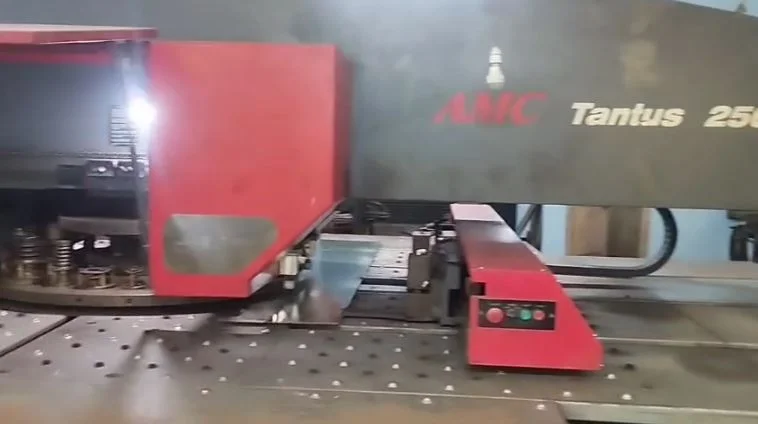
Plan around the broad table, turret and sheet-handling system. Protect tooling and identify hydraulic, pneumatic and electrical disconnections.
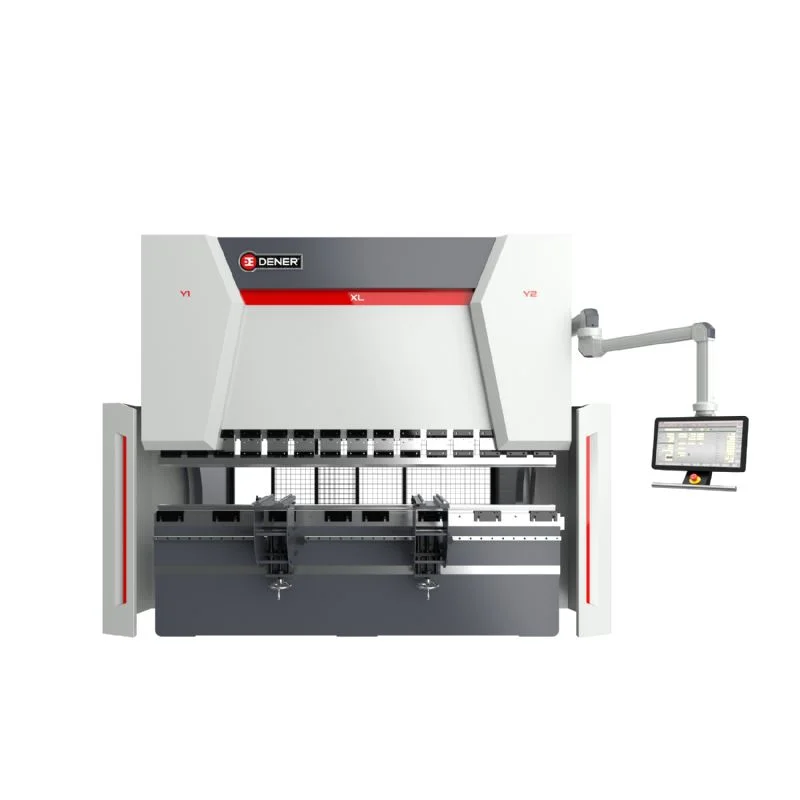
The frame weight and elevated centre of gravity require a machine-specific lifting plan. Secure the beam and backgauge and keep tooling identified.
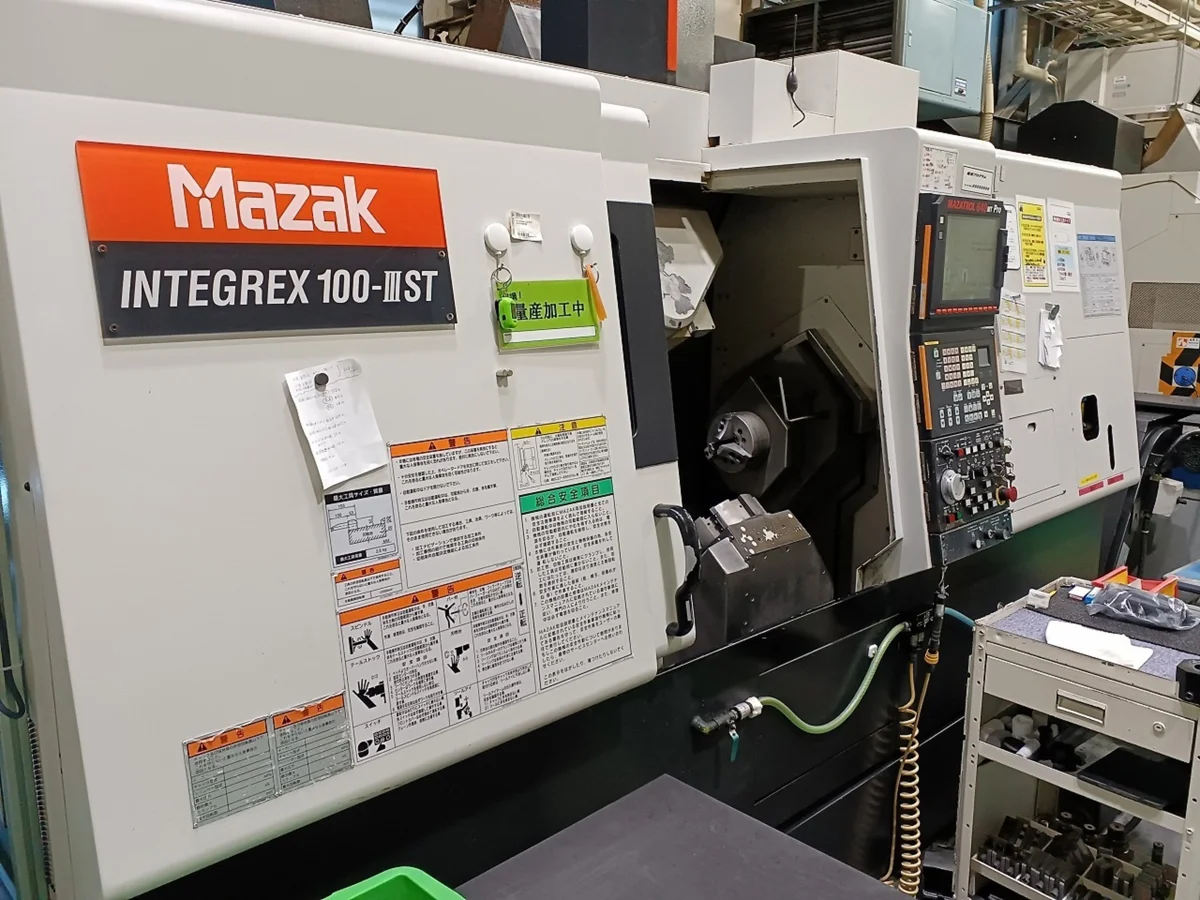
Assess bar feeders, conveyors and hydraulic units alongside the main machine. Protect chucks and turret assemblies and retain useful connection records.
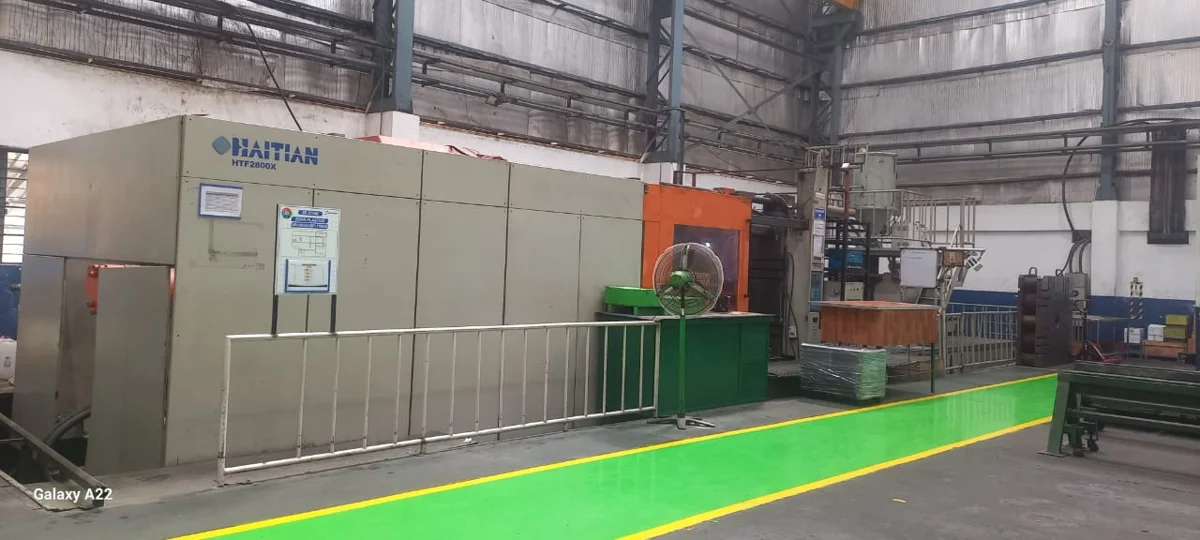
Large clamping-force machines need a detailed assessment of platen assemblies, injection unit, tie bars, hydraulics and lifting access. Tonnage here means clamping force—not shipping weight.
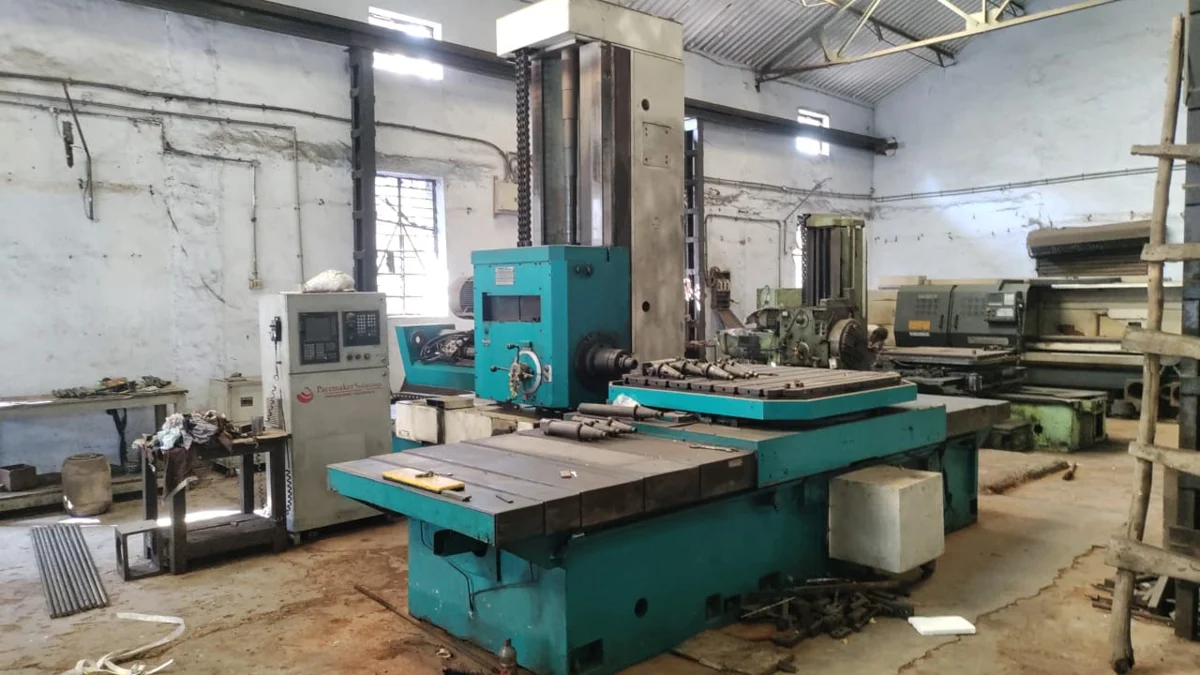
Measure the bed, column and table separately where necessary. Record geometric references and protect precision surfaces before removing ancillary equipment.
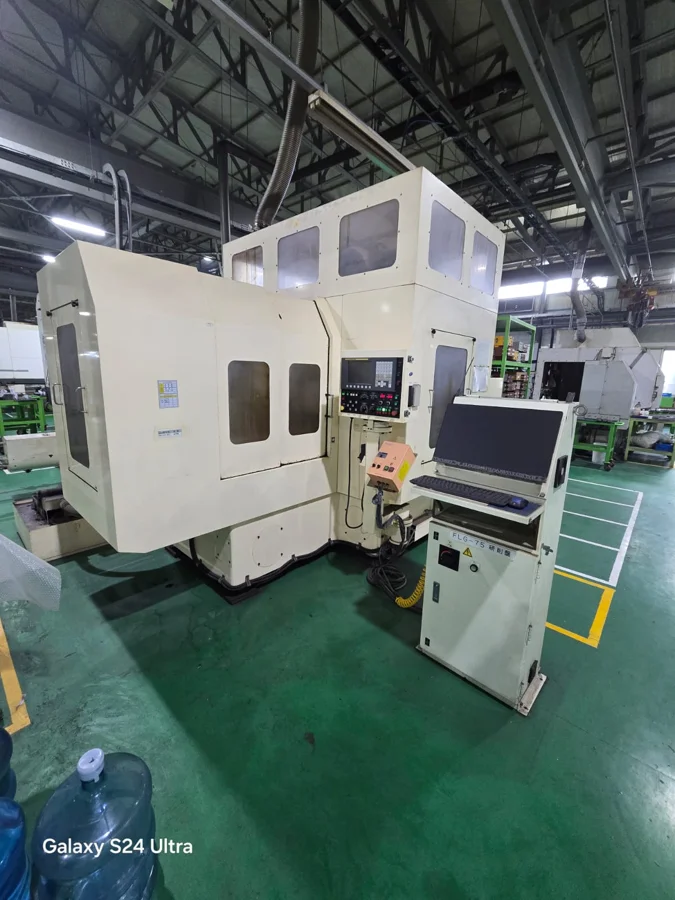
Precision and contamination control matter. Secure the slides, protect sensitive surfaces and account for filtration, coolant and hydraulic equipment.
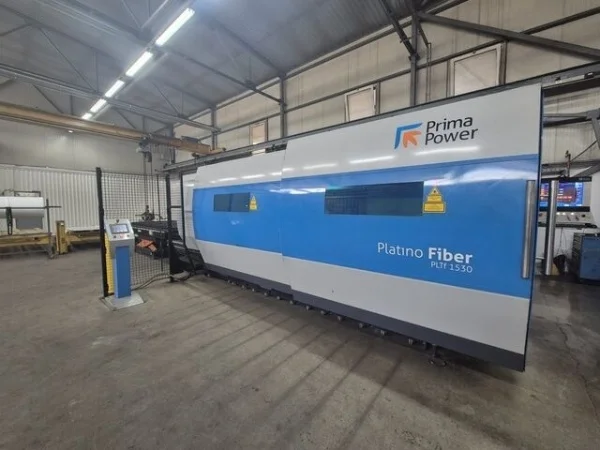
Include shuttle tables, extraction, chillers and the laser source in the survey. Use equipment-specific isolation and protective handling for optical components.
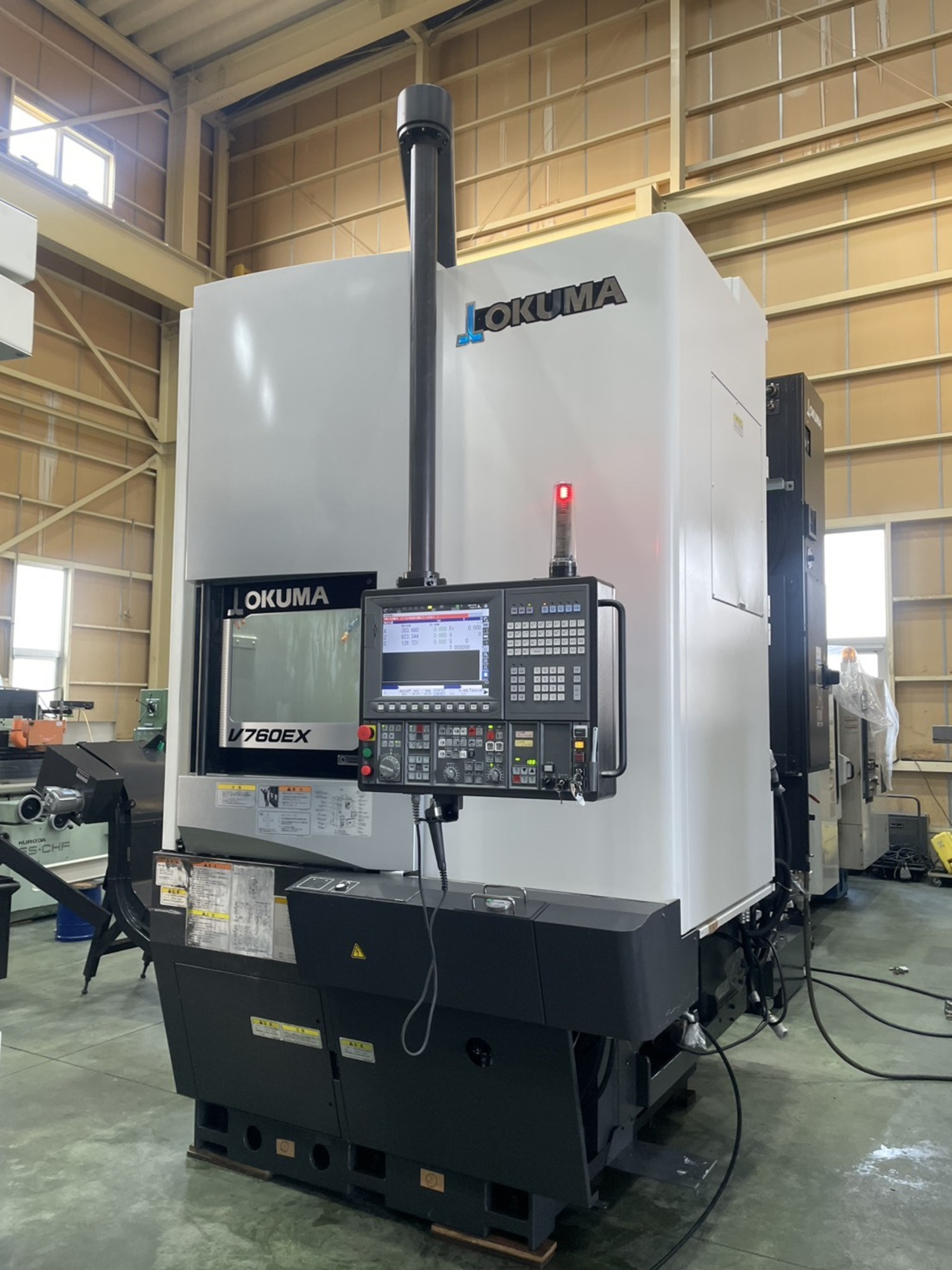
From compact CNC vertical turning centres to large single- or double-column machines, assess table diameter, assembly weights, centre of gravity and lifting access first. Crossrails, columns, platforms and auxiliaries may need separately planned removal. A large turning diameter is not a machine weight; lifting equipment is selected from verified load data.
Representative machine photographs from the Zatpat Machines catalogue, including a V760EX CNC VTL. They illustrate machine families, not completed Onery projects. Lifting and loading plans depend on the actual machine and site.
03 / THE TEAM
Our project teams are based in Germany, Poland and the Netherlands. We select the team according to the machinery, location, access and agreed timetable—not by treating every job as the same operation. Qualified electricians, forklift operators and riggers work within their assigned responsibilities and the site safety plan.
Where a machine needs specialist Siemens, Fanuc or Heidenhain controller knowledge, external experts can be brought in for the agreed task. This does not imply manufacturer accreditation. Electrical isolation, reconnection boundaries, machine records and the handling of delicate controls must be agreed before dismantling.
Safety comes before speed. Electric-forklift-only rules, restricted access, working production lines, floor limitations and suspended loads affect the method and schedule. Changes discovered on site require reassessment rather than an unsafe shortcut.
STEP BY STEP
Confirm equipment, dimensions, site conditions, schedule and who supplies each part of the move.
Coordinate with the factory, isolate the work area and select suitable lifting equipment and operators.
Qualified personnel disconnect services safely. Record cable labels, interfaces, auxiliaries and available control backups.
Remove oils before loading, plan safe collection and appropriate disposal, and assess other fluids with the site.
Separate assemblies according to the lifting and loading plan; preserve identifiers and protect precision surfaces.
Measure the actual loading units and choose protection appropriate to the sea journey without unnecessary packaging cost.
Photograph and film loading, identify packages and hand over the agreed documentation for transport and reassembly planning.
Illustrative planning situations—not claims of completed projects.
An indoor factory may prohibit diesel equipment. We check the permitted lifting equipment, its capacity, working height and charging needs before committing to a method.
A move inside an operating factory needs segregated routes, coordination with production and controlled disconnections. Saving time must not mean damaging equipment or interrupting neighbouring lines.
A 2,800-tonne clamping-force machine cannot be priced like a compact VMC. Separate assemblies, lifting access, weight distribution and container fit need their own survey.
Illustrative situation: a buyer acquires several machines, while another contractor removes neighbouring equipment. We agree access slots, distinguish lot boundaries, label accessories and sequence lifting so one removal does not obstruct another. A full-factory assignment needs an agreed inventory and phased handover; auction deadlines do not remove the need for a safe plan.
Loading photographs and videos are part of every CNC shipment. They help the buyer understand what was loaded, how it was protected and which packages belong together. We agree the records required for the project; public case studies are published only with privacy-safe customer descriptions.
Removal deadlines, site rules and included accessories can change the economics of an auction purchase. Our independent Auction Support service helps buyers review collection feasibility and, where permitted and authorized, participate on their behalf. After purchase, we can coordinate the agreed dismantling, rigging, loading and onward logistics.
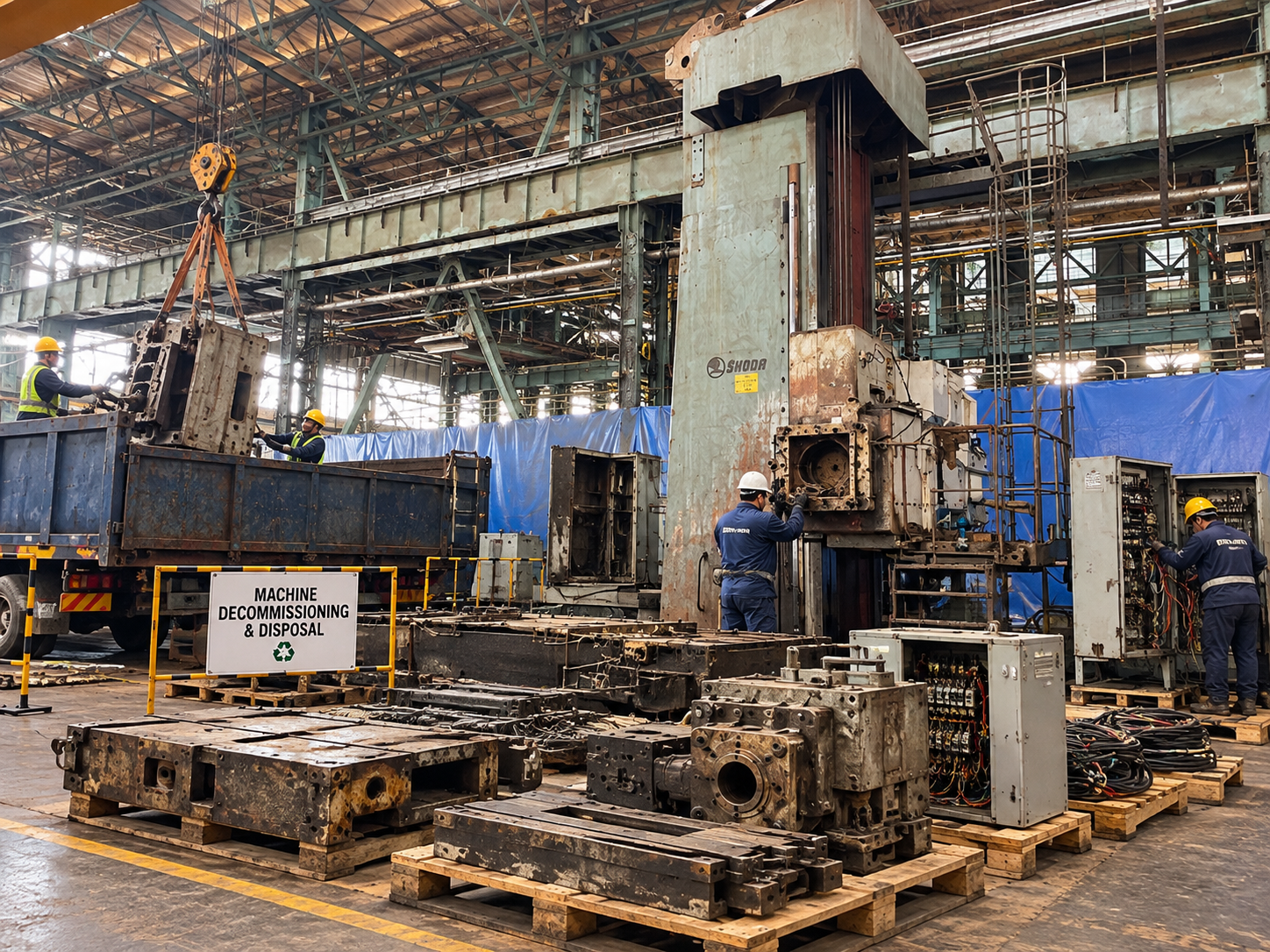
Professional machine decommissioning and disposal service for safely removing, dismantling, and preparing industrial machinery for recycling or disposal.
Learn More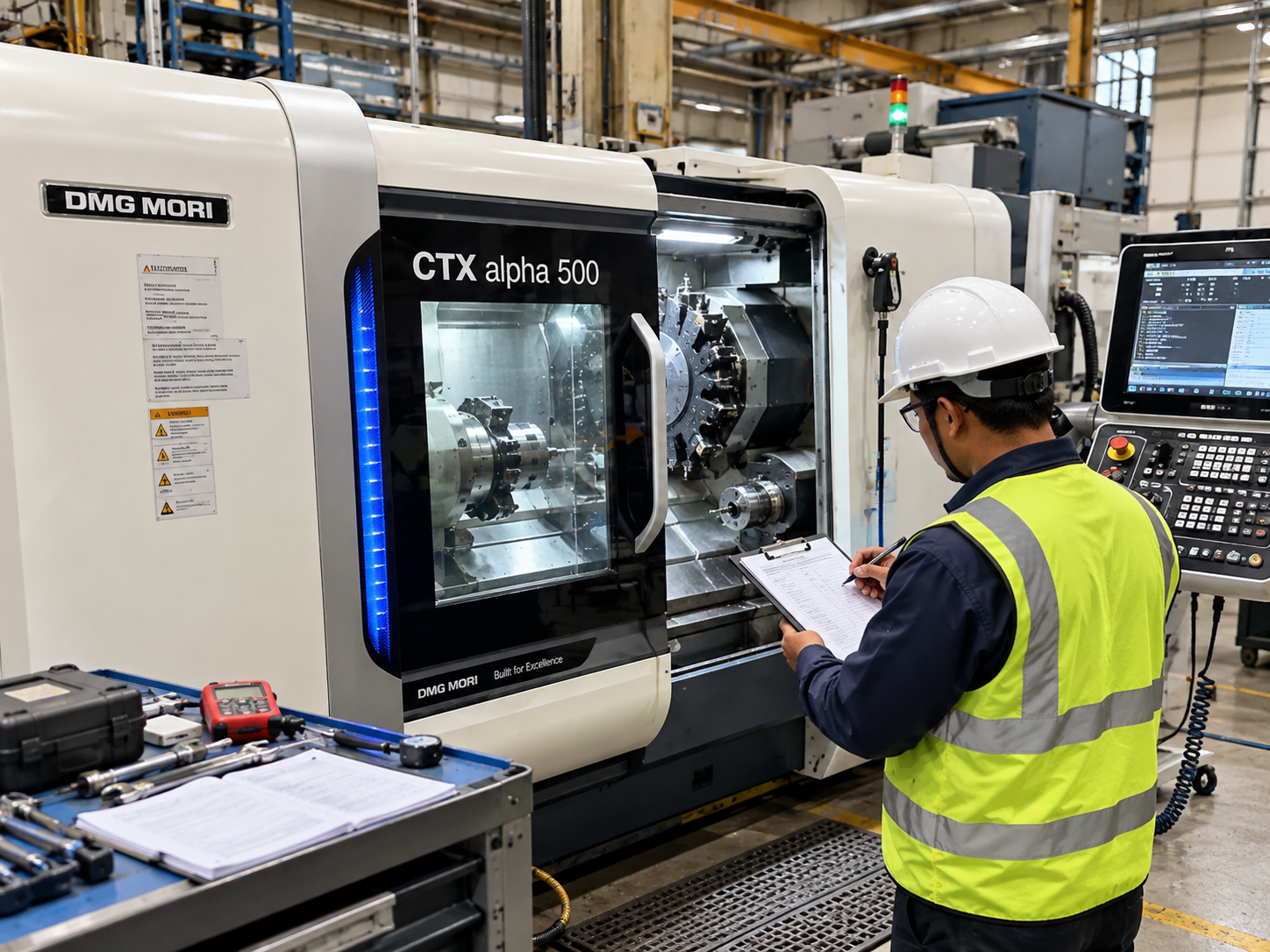
Professional inspection and audit of industrial machinery to assess condition, operation, and maintenance status.
Learn More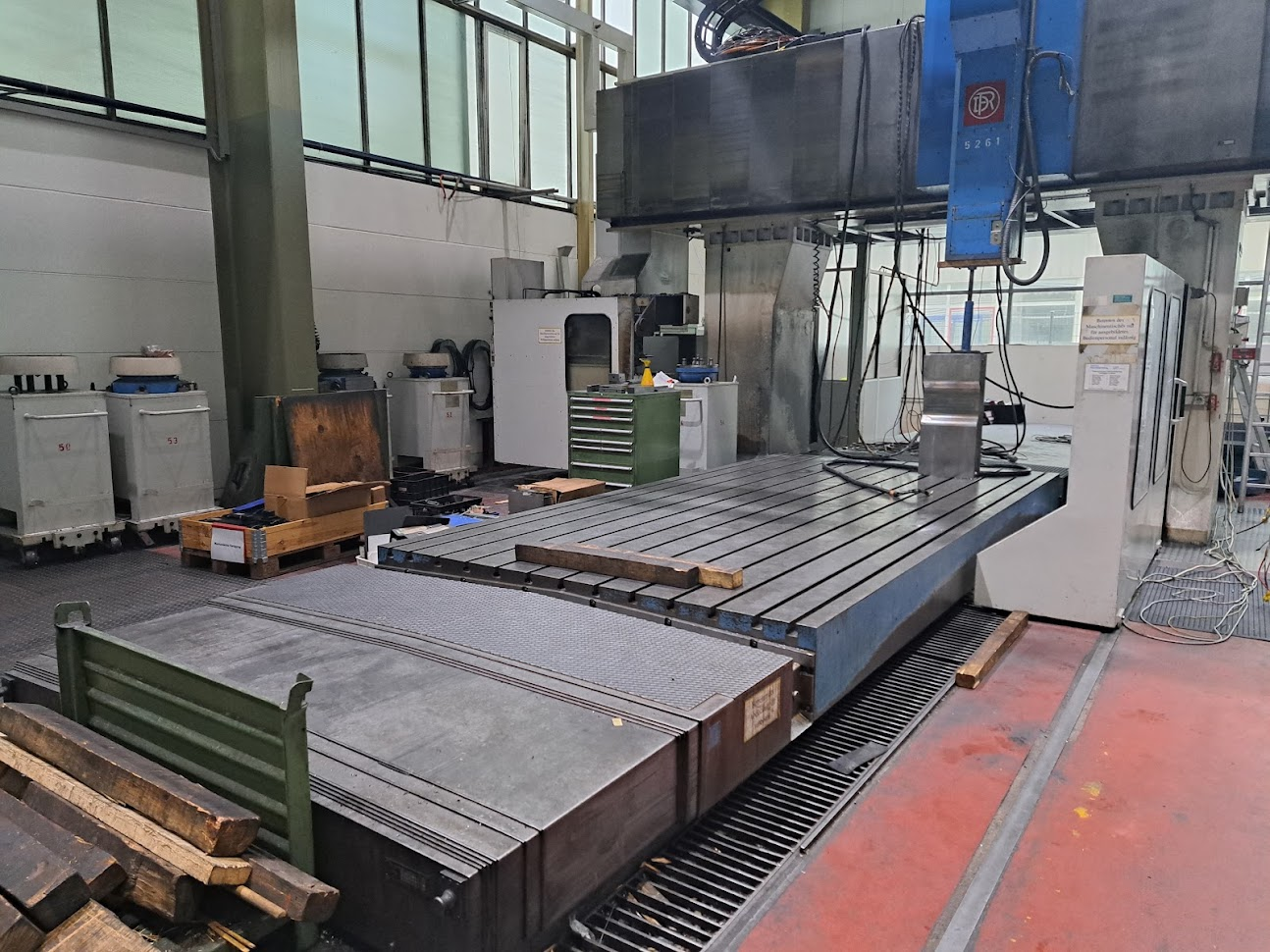
Professional reassembly of an industrial machine using lifting equipment and skilled technicians.
Learn MoreWe support single-machine removal, multiple machines and complete factory machinery removal. Each quotation defines the inventory, auxiliaries, access, sequencing and handover scope. Full factory removal does not automatically include building demolition, all utility works or commissioning at the new location.
Our scope covers metal- and plastics-processing machinery. VMCs, HMCs, double-column machines, turret punches, press brakes, CNC lathes, VTLs, injection moulding, boring, grinding and laser machines are representative examples—not a limit. Send details of any other machine for assessment.
Yes, we assess European collection projects individually. Teams based in Germany, Poland and the Netherlands are selected for the project, with local or specialist support where required. Location, access, permits and timetable must be confirmed before committing to a collection.
Send the machine list, make/model, available weights and drawings, photographs, site address, collection deadline and destination. Include accessories, site restrictions and seller contacts for coordination. A survey may be needed to establish access, floor loading and actual loading-unit dimensions.
It can be planned where the site allows it. We agree work zones, production routes, isolation responsibilities and permitted working windows with the operator. Electric-forklift-only requirements and other restrictions are incorporated. Safety and production protection may require staged work or a different schedule.
Injection moulding with 1,500–5,000 tonnes clamping force is a focus, but clamping force is not lifting weight. For these machines and heavy VTLs, we verify assembly weights, centre of gravity, lifting points, access and allowable floor loads. Splitting into assemblies is assessed machine by machine; no generic crane or container count is reliable.
Qualified electricians handle the agreed electrical tasks in coordination with the site. Connections, cable identification and available backups or documentation should be reviewed before removal. External Siemens, Fanuc or Heidenhain specialists can be engaged when required; accreditation or destination recommissioning is not implied.
Oil must be removed before loading. Before work, we agree who drains, collects and disposes of oil and how other fluids are handled under site and applicable environmental rules. This must be part of the scope—not left as an assumption that risks leaks during transport.
We measure actual dismantled units and account for weights, lifting access, packaging, auxiliaries and securing space. Truck versus direct container loading is compared for the whole route. Our survey informs a realistic estimate; carrier acceptance, container limits and availability still require confirmation.
We assess feasibility before accepting the deadline, including seller release, payment confirmation, access appointments and lifting availability. Loading photos and videos document shipped CNC machinery and package identification. Where the available window is unsafe or unrealistic, the collection plan or deadline must be renegotiated.
Truck or direct container loading? Standard container or flat rack? Connect the dismantling plan to a realistic shipping and Indian customs preparation plan.
Send the model, photos, location in Europe, approximate dimensions and weight, intended Indian port and preferred schedule. We will clarify the survey and dismantling scope before proposing a project plan.
Discuss your project